
Why High-Quality Automotive Rubber Components Matter for Safety
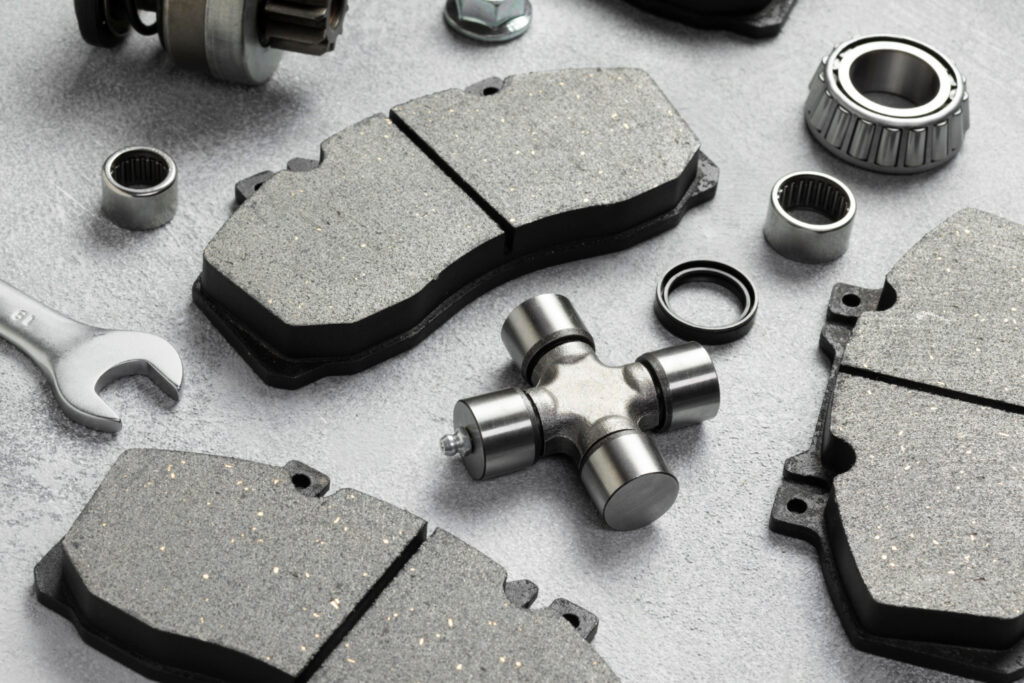
In the modern automotive landscape, safety is not just about airbags, sensors, or steel structures. The unsung heroes rubber parts such as suspension mounts, bushings, and seals play a critical role in ensuring durability, comfort, vibration isolation, and, most importantly, driver and passenger safety.
For OEMs, Tier-1 suppliers, and aftermarket buyers, choosing the right automotive rubber components manufacturer isn’t merely a cost decision it’s a strategic investment in reliability and performance.
The Role of Rubber Components in Vehicle Safety
- Vibration Damping and Noise Control
Rubber suspension mounts and engine mounts isolate vibrations between the engine, chassis, and cabin. When low-grade mounts are used, the result is excessive vibration, noise, and premature fatigue of structural parts.
According to the Automotive Component Manufacturers Association (ACMA), high-performance elastomeric materials are now integral to OEM NVH (Noise, Vibration, Harshness) design strategies.
- Load Dynamics and Alignment
Rubber bushings in control arms and suspension linkages maintain proper geometry under stress. Poor quality bushings distort under load causing alignment drift, tire wear, and unstable handling during emergency maneuvers.
- Sealing and Fluid Containment
Rubber seals, gaskets, and O-rings prevent leaks in engines, brakes, and cooling systems. A failed seal can cause fluid loss and overheating posing serious safety hazards.
A recent EY Automotive Insights Report highlights that nearly 18% of mechanical failures in India’s vehicle segment are attributed to faulty sealing or material degradation.
- Durability in Harsh Environments
Quality rubber must withstand extreme heat, oil exposure, ozone, and UV degradation. Substandard materials crack, harden, or delaminate directly reducing the lifespan of the entire assembly.
Why Quality Differentiates Manufacturers
Precision in Material Formulation
Leading automotive rubber component manufacturers like Corrotek engineer precise rubber compounds (EPDM, NBR, FKM, etc.) to deliver consistent modulus, hardness, and elongation. Even a 5% variation in compound mix can alter performance under dynamic load.
Process and Tooling Accuracy
Consistency in molding, bonding, and curing cycles ensures uniform density and adhesion. Any variation can introduce weak zones, voids, or unbonded areas compromising reliability.
Testing and Lifecycle Simulation
High-grade suppliers simulate extreme use cases like thermal shock, salt spray, and fatigue testing. According to McKinsey & Company’s Global Automotive Report, lifecycle validation is becoming a core differentiator in component sourcing for global OEMs.
Auditability and Traceability
Modern suppliers adopt ISO 9001 and IATF 16949 frameworks, with batch-wise traceability and process audits. Organizations like FICCI and ACMA continually advocate for stronger supplier quality systems under India’s “Make in India” manufacturing mission.
The Indian Automotive Rubber Market: Growth and Quality Push
The Indian auto-component sector crossed ₹4.2 lakh crore (USD 56.5 billion) in FY 2022 recording a 23% growth YoY according to ACMA Industry Report FY 2022. Rubber parts though smaller in value share, play an outsized role in reliability and safety.
The aftermarket is also booming. As reported by The Financial Express, India’s automotive aftermarket is projected to reach USD 14 billion by 2028, with strong export potential for rubber parts.
Meanwhile, BCG’s study “Revving Up Exports” emphasizes that Indian suppliers must enhance R&D and material technology to stay competitive as global OEMs diversify supply chains.
This growing demand makes quality, reliability, and precision non-negotiable factors for suppliers.
The Safety Impact of Rubber Suspension and Engine Mounts
Rubber suspension and engine mounts are designed to isolate vibration and torque, protect surrounding assemblies, and maintain dynamic stability.
- Dynamic isolation: Absorbs powertrain torque and road shocks.
- Crash load behavior: Prevents metal-to-metal impact during collisions.
- Fatigue endurance: Survives millions of load cycles without loss of stiffness.
Low-grade mounts not only increase vibration but also transfer stress to structural joints, causing fatigue cracks and NVH issues. In commercial fleets or heavy-duty vehicles, such failures can escalate into safety incidents.
Why High-Quality Bushings and Seals Are Crucial
High quality rubber bushings and seals protect mechanical systems by providing controlled movement and leak-free operation.
- Bushings: Manage lateral loads, resist wear, and maintain geometry.
- Seals: Prevent fluid leakage in engines, transmissions, and brake systems.
- Material selection: Must resist oils, heat, and ozone exposure.
A single failed bushing can shift alignment or damage suspension links. A failed seal can compromise hydraulic systems—making material precision vital to safety.
BCG research notes that precision rubber and polymer systems are among the top five “high-growth” export categories for Indian manufacturers.
Corrotek – Engineering Safety Through Precision Rubber Technology
Located in Manesar, Gurgaon, Corrotek is an emerging automotive rubber components manufacturer serving OEMs, Tier-1 suppliers, and exporters.
Here’s how Corrotek ensures quality and reliability:
- Expert Material Engineering – Tailored formulations for vibration isolation, sealing, and endurance.
- Advanced Manufacturing – Controlled curing, bonding, and precision molding.
- Testing & Validation – Fatigue, ozone, and thermal aging tests benchmarked to global standards.
- Customization for OEMs – Rubber suspension mounts, bushings, and seals designed to meet specific stiffness and damping requirements.
- ISO-aligned Processes – Full traceability and quality documentation.
By combining material science, process discipline, and R&D collaboration, Corrotek ensures that each component contributes directly to safety and longevity.
How OEMs and Buyers Can Ensure Quality
- Request compound and batch certifications.
- Verify IATF 16949 and ISO 9001 compliance.
- Ask for fatigue and aging test data.
- Evaluate supplier proximity for faster iterations.
- Focus on total cost of ownership, not just initial part cost.
According to McKinsey’s Automotive 2030 Vision, quality partnerships between OEMs and component suppliers will define the next decade of mobility safety.
Conclusion: Safety Begins with the Smallest Component
When it comes to automotive safety, rubber parts are often overlooked but they are the first line of defense against vibration, fatigue, and leakage. The difference between standard and high quality rubber bushings and seals can decide whether a vehicle performs safely for a decade or fails prematurely.
As India’s manufacturing ecosystem strengthens through FICCI’s “Make in India” framework and ACMA’s export development programs, quality manufacturers like Corrotek are setting new benchmarks in reliability and innovation.
If your organization is seeking a trusted partner for engineered rubber parts mounts, bushings, seals, or precision elastomers connect with Corrotek today to discuss your specifications, testing standards, and delivery timelines.